.png)
Antifouling Systems (ICAF)
Tecnoseal antifouling systems protect seawater circuits from the formation of marine fouling, thanks to an innovative low voltage technology that guarantees effective and long-lasting performance.
WHAT THEY ARE
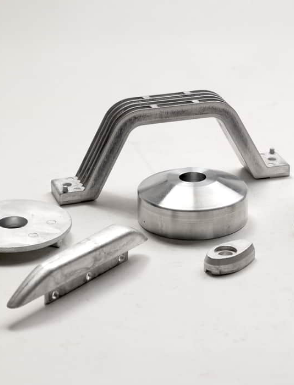
Antifouling systems are basically low-voltage generators delivering small currents (in the range of Milliamperes) powering copper electrodes, which are typically installed on the filter caps of the seawater circuit of boats.
Typical use is on pleasure yachts but also on commercial vessels.
Copper electrodes are sized according to the characteristics and materials of the seawater circuit.
An important piece of data far sizing an Antifouling electrode and determining the supply current is the working flow rate of the filter.
This and other data are requested from customers to be able to size an Antifouling plant.
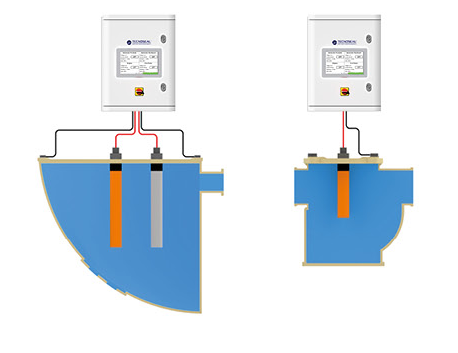
The installation of Antifouling (ICAF) systems can be done on seawater circuit filters, sea chests, or water boxes.
The typical installation depends on how the seawater circuit is designed; the types of electrodes, installation methods, and power currents will be defined according to it.
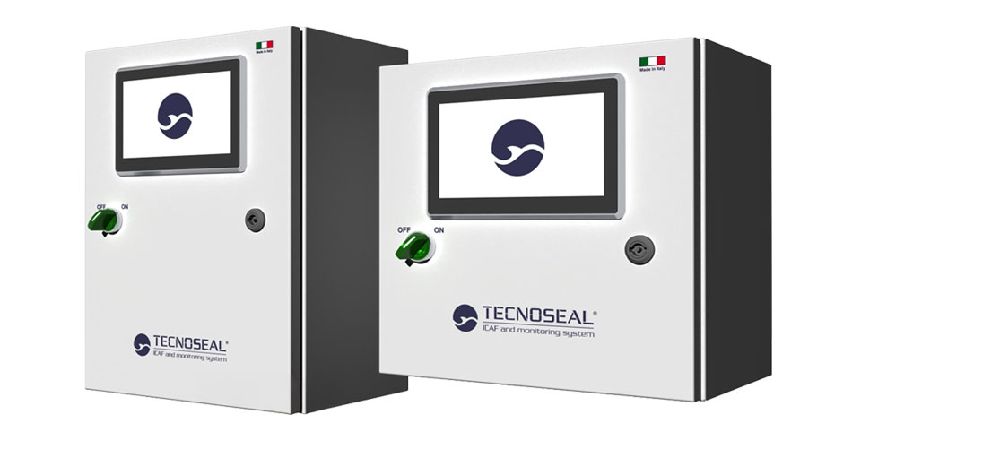
The power supply module with its two basic configurations can supply one to four electrodes in the MOD4 version, or five to eight electrodes in the MOD8 version.
Both versions of the power supply module include a monitoring system far hull and appendage electrochemical potentials, which can be activated at the customer’s request.
More detailed information can be found in the dedicated brochure.
What they protect against
The use of Antifouling (ICAF) plants is particularly necessary when the aim is to prevent the formation of marine fouling within seawater circuits.
An Antifouling plant takes advantage of the biocidal properties of copper whose ions dissolved in water due to the power current creates a biocidal film that deposits on the filter baskets and on part of the seawater circuit’s constituent piping.
Antifouling systems should not be considered active cathodic protection systems, but systems (powered by direct current) whose sole purpose is to prevent the formation of marine fouling.
The way we manufacture them
An antifouling system or plant is essentially made up of two parts:
- The power module
- The copper electrodes
At Tecnoseal’s manufacturing site, all possible types of electrodes are fully fabricated. Also within the Tecnoseal departments, power supply modules are assembled.
Electronic board design has been developed within Tecnoseal’s R&D department, covering both the block diagram of the operating principle and the man-machine interactions for its management.
Electronic board manufacturing was entrusted to an established partner of the company.
At Tecnoseal, systems are designed to be installed on new constructions and any type of electrode to be replaced on existing systems can be purchased.
The careful work done by production ensures high quality standards required by the marine market and certifying bodies.
Why you should choose Tecnoseal
Choosing Tecnoseal for this type of system is essential because of the high reliability of the antifouling system.
A continuous improvement of components, software, and construction techniques places Tecnoseal antifouling systems on the market at high-quality levels.
Meticulously maintained manuals and product certifications make the antifouling system an extremely reliable and competitive product.
Do you want more information about this product?
ANTIFOULING SYSTEM (ICAF/MGPS)
TECNOSEAL’s ANTIFOULING SYSTEM is designed specifically for the specs of the seawater plumbing to be preserved and can be installed either in the boat’s sea chests or in the strainers.
Why you need Antifouling
Accumulation of animal and plant micro and macro organisms – otherwise known as biofouling – on the internal surfaces of strainers, pipes, intakes, valves (in general, everything in contact with seawater), leads to obstructions which, by reducing the lumen of the pipes, may modify the seawater system performance or even lead to the sudden failure of very complex equipment.
ICAF / MGPS Systems
TECNOSEAL ANTIFOULING SYSTEMS (called ICAF Impressed Current Antifouling Systems, also known as MGPS, Marine Growth Prevention System) are specifically designed in relation to the seawater circuit features to be preserved and can be installed in the sea chests, in the strainers (structural or after-market) and directly on the pipe bundles.
Fundamental parts of an ANTIFOULING SYSTEM
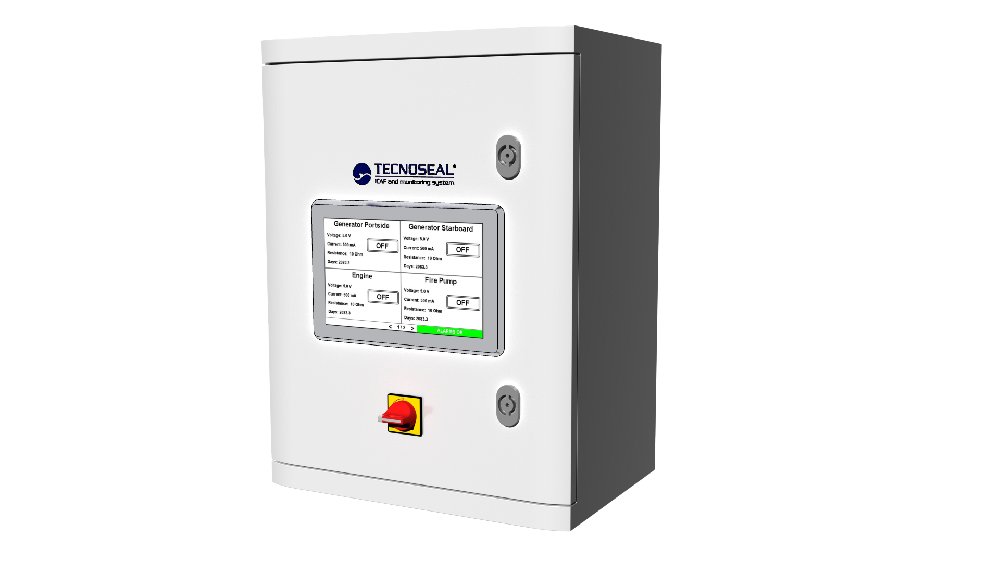
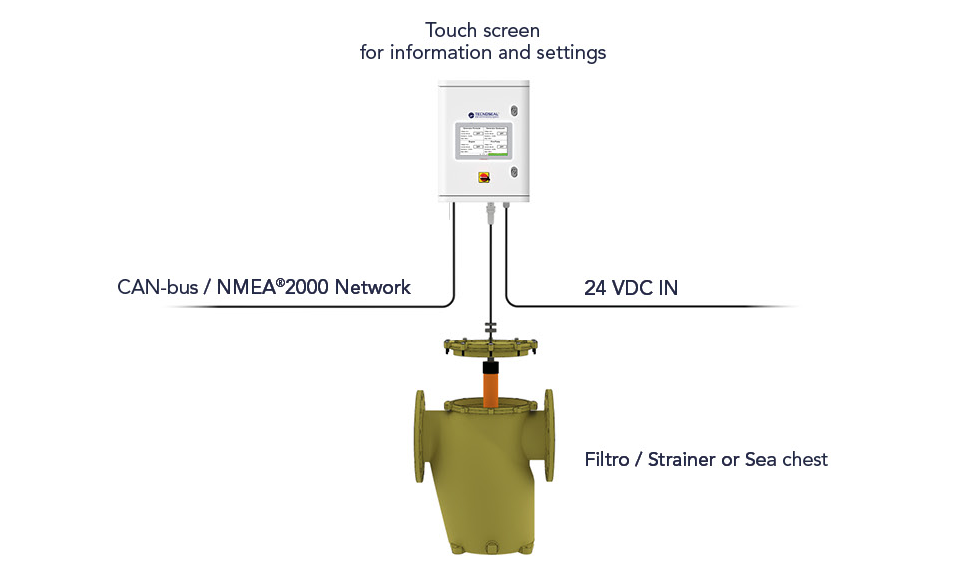
- POWER SUPPLY equipped with a TOUCH-SCREEN monitor control panel
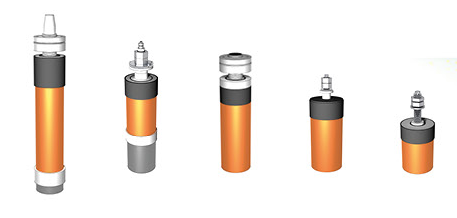
- One or more electrodes of various types
- Filter / sea chest / structural case / piping
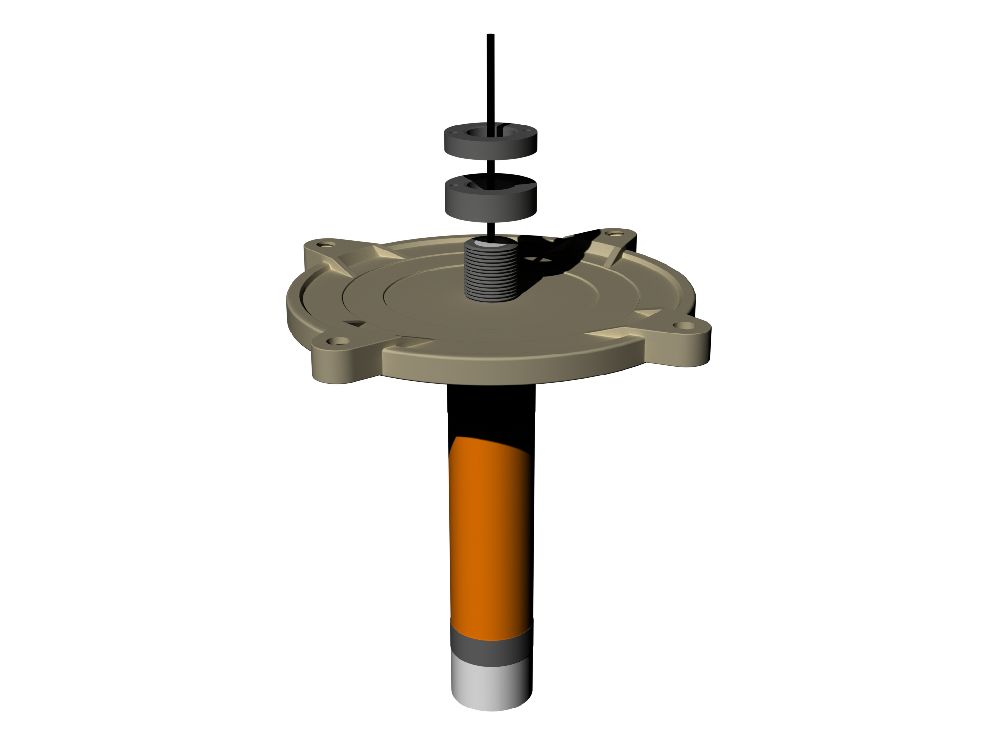
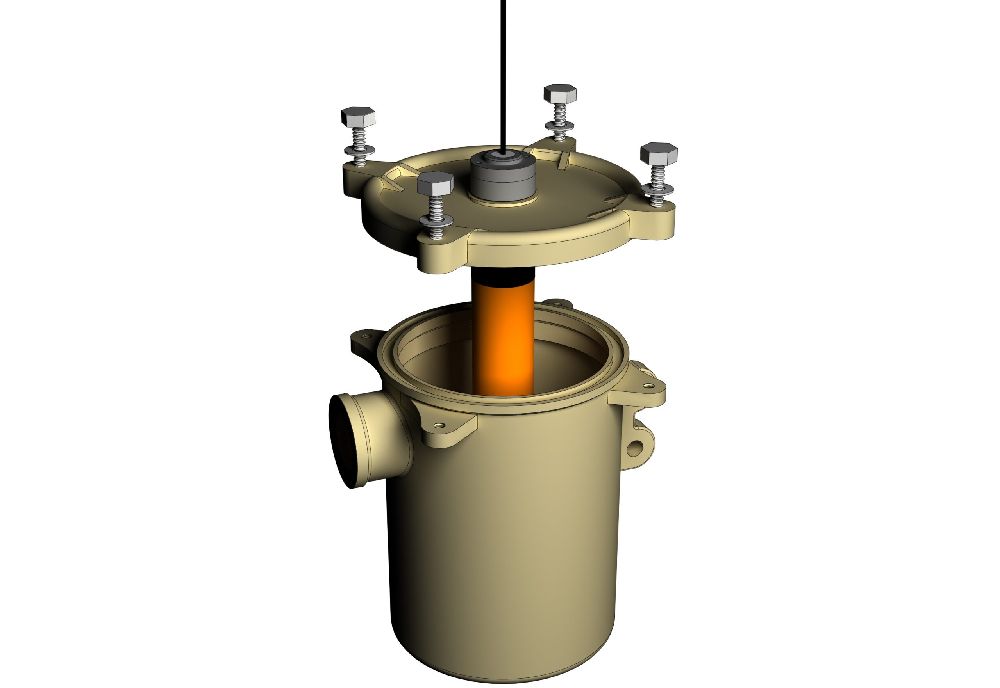
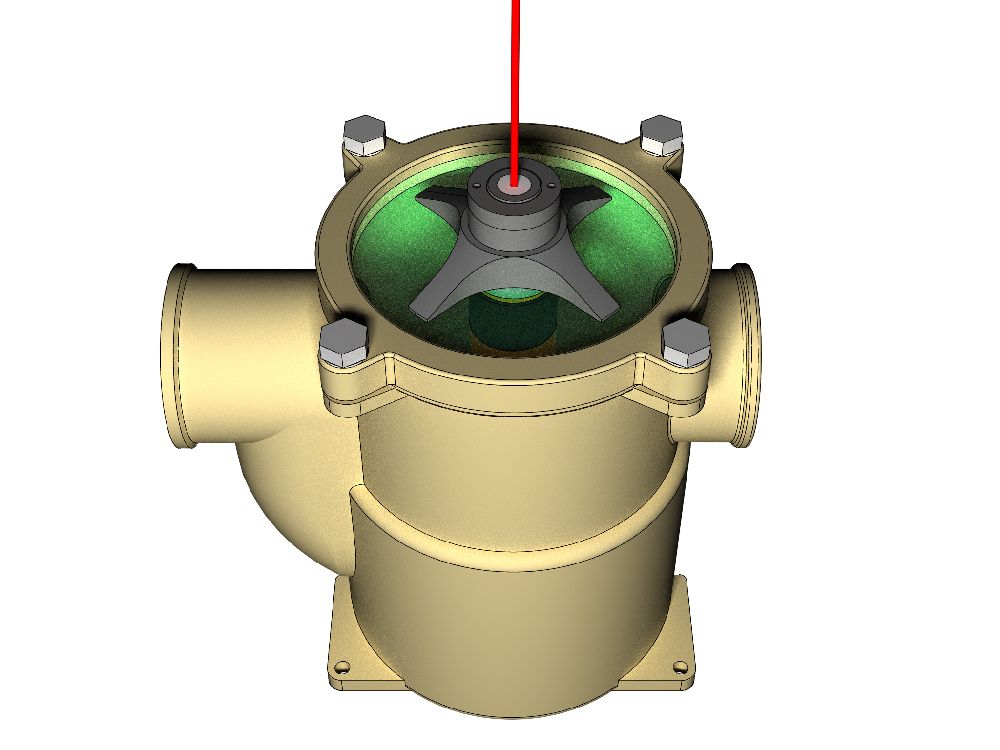
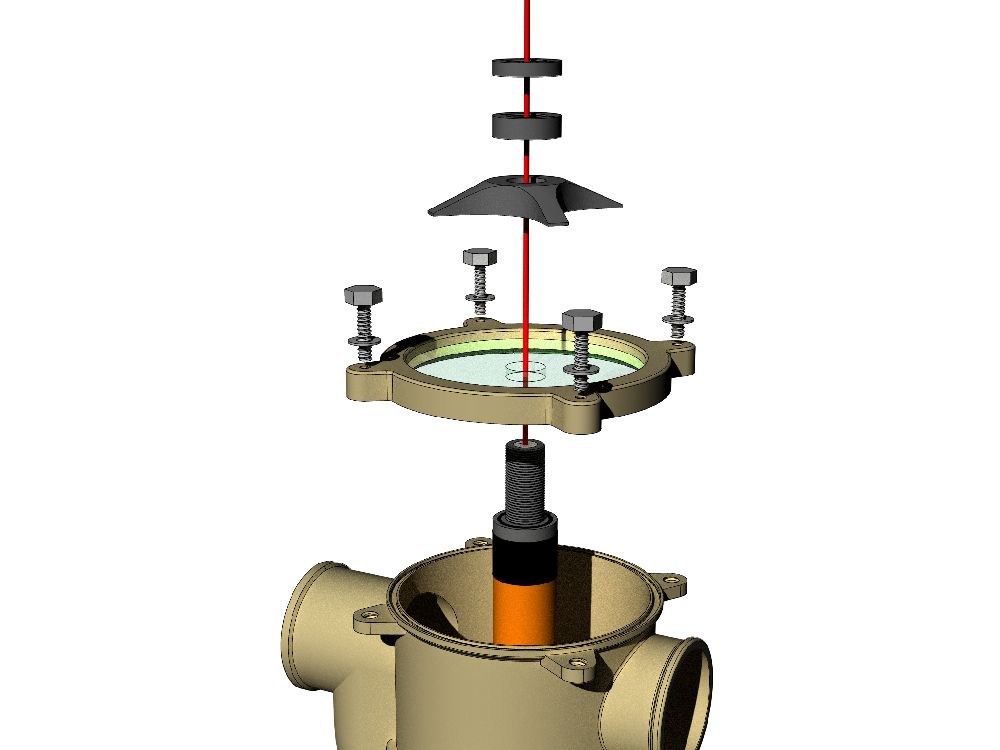
Tecnoseal Antifouling System Product Features
When in operation, the system dissolves a copper electrode whose ions create a protective film on any metal surface they are carried onto by the water flow.
In dual systems, an additional electrode made in aluminum or steel increases the efficiency of the copper electrode and provides also a protective effect against galvanic currents.
TECNOSEAL offers an extensive range of electrodes and anchoring devices specifically built for all strainer sizes and types.
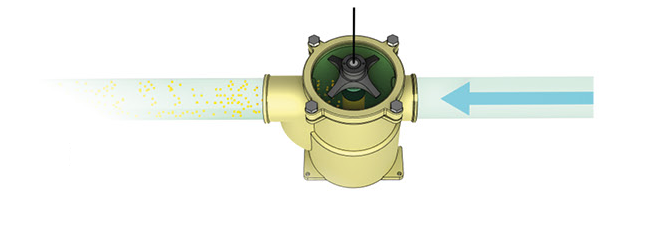
Guidi® Strainers
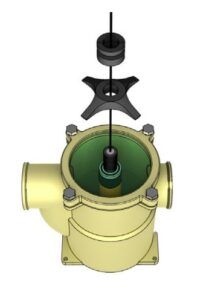
Most of the filters can be equipped with an inspectable cover in polycarbonate and for this type of cover Tecnoseal manufactures special supports for installing the electrode.
System Functioning Scheme
Icaf Technical Features
- 24VDC power supply.
- Power supply box dimensions.
- 7‘’ touch screen display for setting
all parameters and controlling the system. - The power supply panel can feed from 1
to 32 electrodes. - Each single electrode can be enabled and disabled individually.
- The system reports comprehensive information on the current being supplied
to each electrode, circuit voltage and electrical resistance. - All the information displayed on the control panel can be reported on the vessel monitoring system via NMEA®2000 communication protocol (TECNOSEAL is NMEA®2000 MEMBER / NMEA®2000 MANUFACTURER).
- The electrochemical potential monitoring system can be integrated into the power supply panel of the ICAF system.